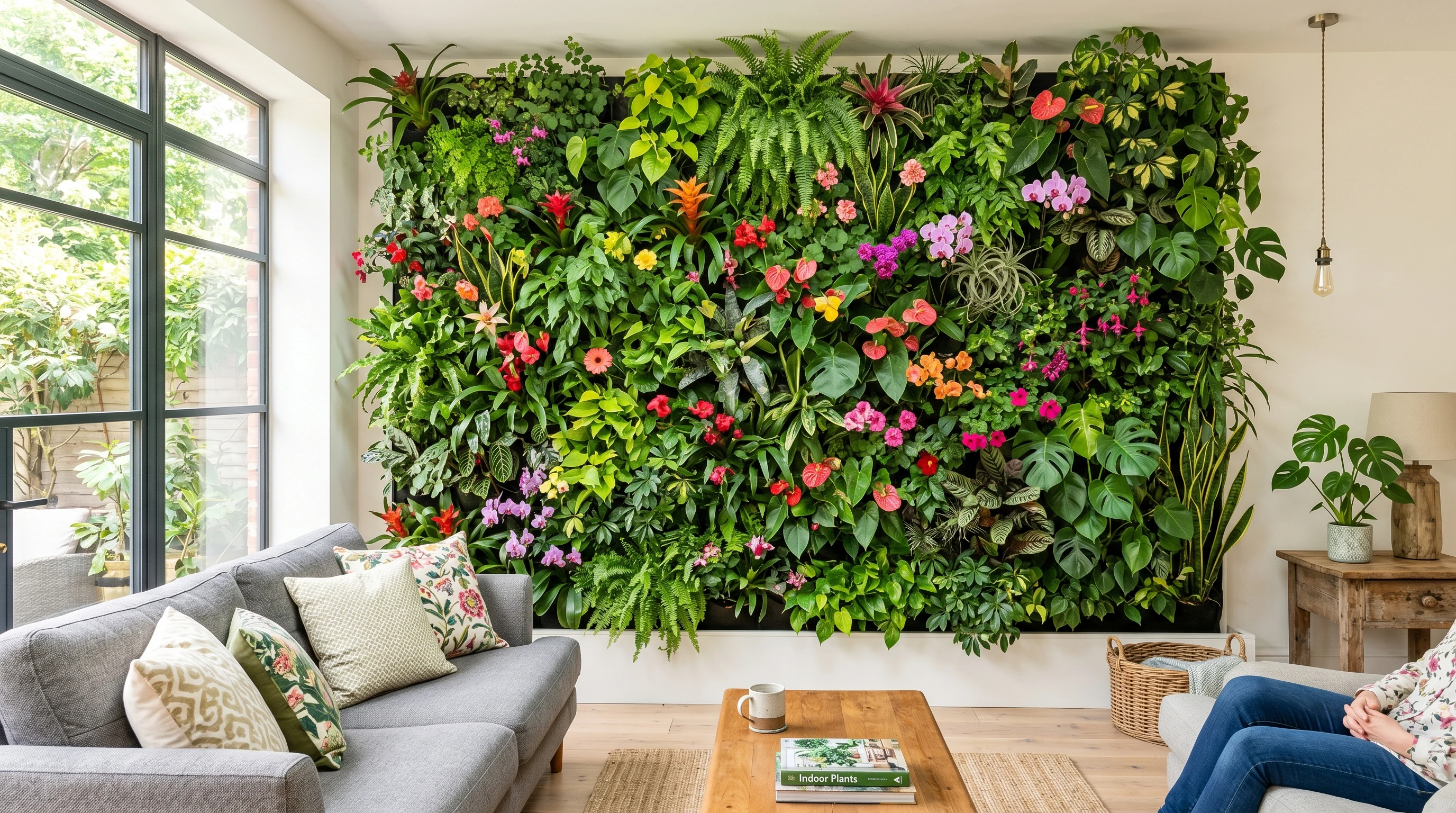
Vertical gardens and living walls bring a fresh twist to urban gardening, especially if you’re short on space or just looking to add a bit of green indoors or out. Here, I’ll break down how these creative gardens work, what it takes to get started, and the real benefits you can enjoy along the way.
How Vertical Gardens and Living Walls Work
Vertical gardens use upright structures—like walls or frames—to support plants as they grow vertically instead of out across the ground. Living walls, sometimes called green walls, are a popular style of vertical garden. They’re made by mounting planting panels, filled with soil or hydroponic systems, to existing walls or fences.
- Wallmounted Panels: These use pockets or trays to hold soil and plants upright, often watered by simple drip systems.
- Freestanding Frames: Perfect for renters or those who can’t attach anything permanent. These work great as room dividers, too.
- Modular Kits: Many companies offer kits that snap together, making setup much easier for beginners.
This kind of setup is pretty handy for squeezing greenery into spots where you’d never fit a normal garden bed. Think apartment balconies, patio walls, or even office lobbies.
Choosing Plants for Your Living Wall
Picking the right plants makes all the difference. You’ll want to consider light, humidity, and your own gardening experience. Some plants that thrive in most living wall situations include:
- English ivy and pothos (super hardy, great for shade)
- Ferns (love moist, indirect light)
- Succulents (low maintenance, like bright spots)
- Herbs (basil, mint, oregano—you get fresh flavors and greenery)
- Ornamental grasses (add movement and texture)
Mixing up different textures and greenery will make your wall way more interesting and help fill gaps as the plants grow. If you’re keen to add an extra touch, try trailing plants alongside upright varieties for a real visual treat. For beginners, start with easygoing plants such as spider plant, philodendron, or peperomia. These options require little fuss and fill out well, making your living wall lush in no time.
Installing Your Vertical Garden
Installing a living wall can be simple or a bit involved, depending on the setup. Here’s what usually happens:
- Choose the Right Wall: Find a spot with enough sunlight and easy access to water. Avoid spots where water leakage could be a problem for your home.
- Decide on the Structure: Go with prefabricated kits if you’re new to this, or build your own frame for a more custom project.
- Prepare the Wall: Waterproofing is super important, especially indoors. Use a waterproof membrane or sealant behind your garden frame.
- Mount and Plant: Set up your frame, add soil or hydroponic panels, then add your plants. Water deeply to help them settle in.
- Set Up Irrigation: Drip irrigation systems save time and water. If your wall is less than a few feet tall, manual watering usually works fine too.
For longterm success, check your living wall regularly to make sure plants aren’t outgrowing their pockets or showing signs of stress. Adjust light or water needs as needed, and swap in new plants when you want to change up the look.
The Real Benefits of Living Walls
Vertical gardens go beyond just looking nextlevel cool. They’re super useful for improving air quality, adding insulation, and dampening noise. Here are a few perks I’ve noticed:
- Better Air Quality: Plants filter pollutants and boost oxygen levels. This is especially nice inside city apartments or offices.
- Temperature and Sound Control: Living walls can keep rooms cooler in summer and warmer in winter, plus they help block out everyday noise.
- Mental Health Boost: Bringing greenery inside can lift your mood and help with stress. I find just looking at a living wall feels calming during a busy day.
- SpaceSaving: If you only have a small balcony or a tiny backyard, vertical gardens give you a way to grow lots more plants in way less space.
In some cities, living walls are helping reduce urban heat and fight air pollution, showing their value beyond just being decorative.
Getting Started with Your Own Vertical Garden
Starting small is a good move if you’re new to vertical gardening. Even a few herb planters or a single living panel by a window can totally refresh your space. Plenty of hardware stores and garden centers offer modular kits, which make setup easier. Or, if you’re into DIY, there are tons of guides online for building simple vertical gardens from pallets or recycled materials.
When planning, think about your watering routine, available sunlight, and how much time you want to spend maintaining your garden. Regular trimming and rotating plants will keep your living wall looking its best. With a bit of planning and the right plants, you can turn nearly any wall, indoors or out, into a living, breathing piece of art. Every little bit of greenery counts, especially in cities where nature feels far away.
Share Your Experience
Have you tried setting up a vertical garden or living wall? I’d love to hear about your favorite plants or creative solutions. Drop your questions or ideas below to keep the conversation going. There’s always something new to learn in the world of urban gardening!