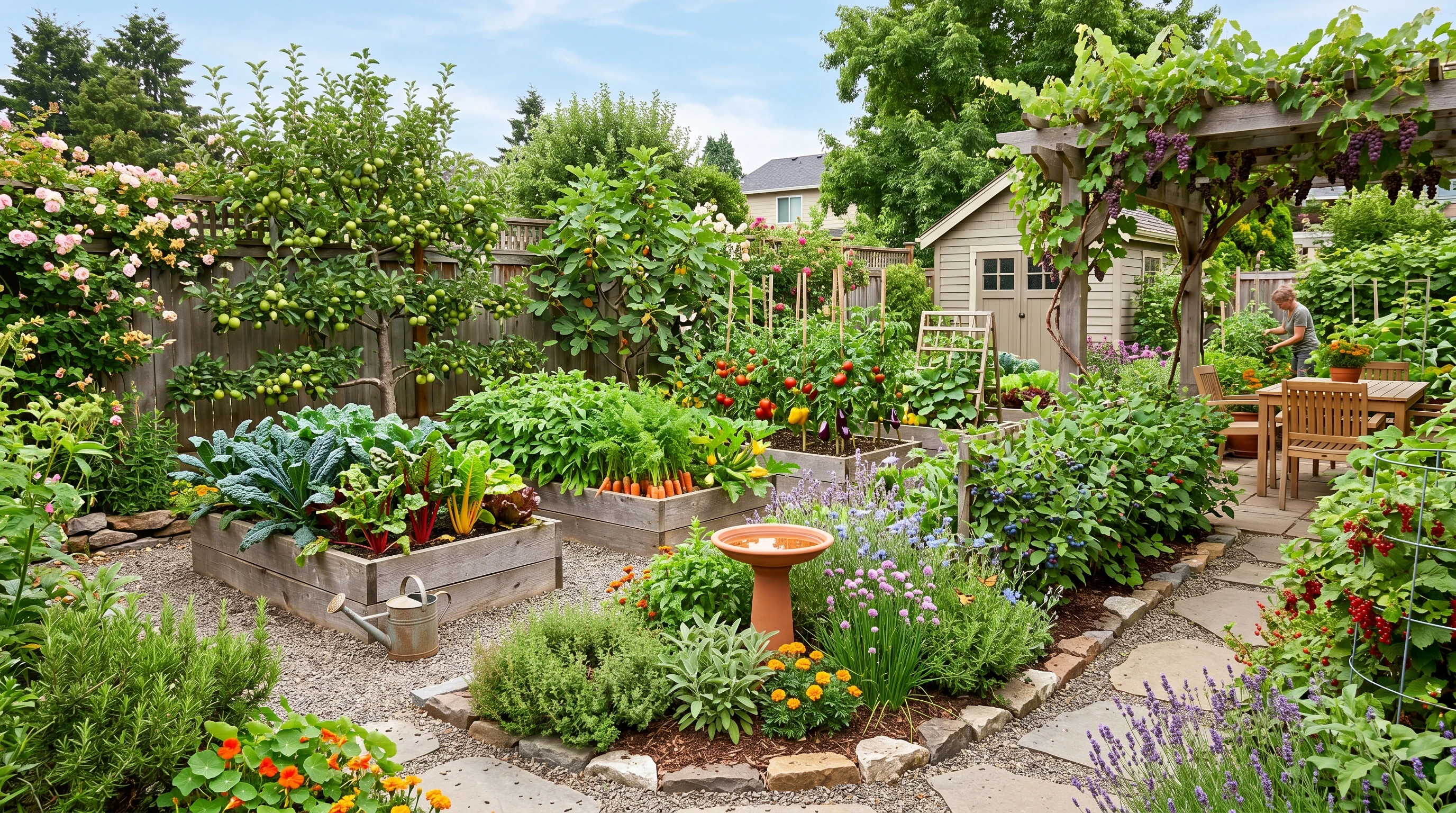
Creating a landscape that looks good and puts food on your plate is a pretty smart approach for any home gardener. Edible landscaping gives you flowers, structure, and that fresh-from-the-garden taste, all in one. Whether you’ve got a big backyard or just a small patch near the front walk, there are plenty of ways to turn your space into a productive, beautiful haven you can actually eat. Edible landscapes mix function and style for outdoor spaces that don’t just sit pretty but actually serve up fresh ingredients—imagine picking your salad right outside your front door.
How Edible Landscaping Works
Edible landscaping is the practice of designing your outdoor space with plants that are both attractive and produce food. Think fruit trees lining a driveway, herbs filling a planter, or berry bushes acting as a hedge. The point is to weave edibles in with your regular landscape plants so everything pulls double duty.
- Fruit Trees: Apple, pear, peach, and cherry trees not only give you seasonal color but also delicious harvests. Their spring blossoms are eye-catching, and when summer or fall rolls around, you get baskets of fruit.
- Herbs: Rosemary, thyme, basil, and chives serve as ground cover, edging, or even decorative centerpieces. Herbs stay fresh within arm’s reach when you want to spice up a meal.
- Berries: Blueberries, raspberries, and strawberries work well as shrubs or low borders and pop with both color and flavor. These bushes can be shaped easily to fit the style of your yard.
With a bit of planning, you can set up a landscape that feeds you without looking like a patchwork farm. Edible landscaping integrates beautifully with existing plantings, so even a small makeover can transform the look and feel of your garden.
Sample Edible Landscaping Layout: Front Yard Makeover
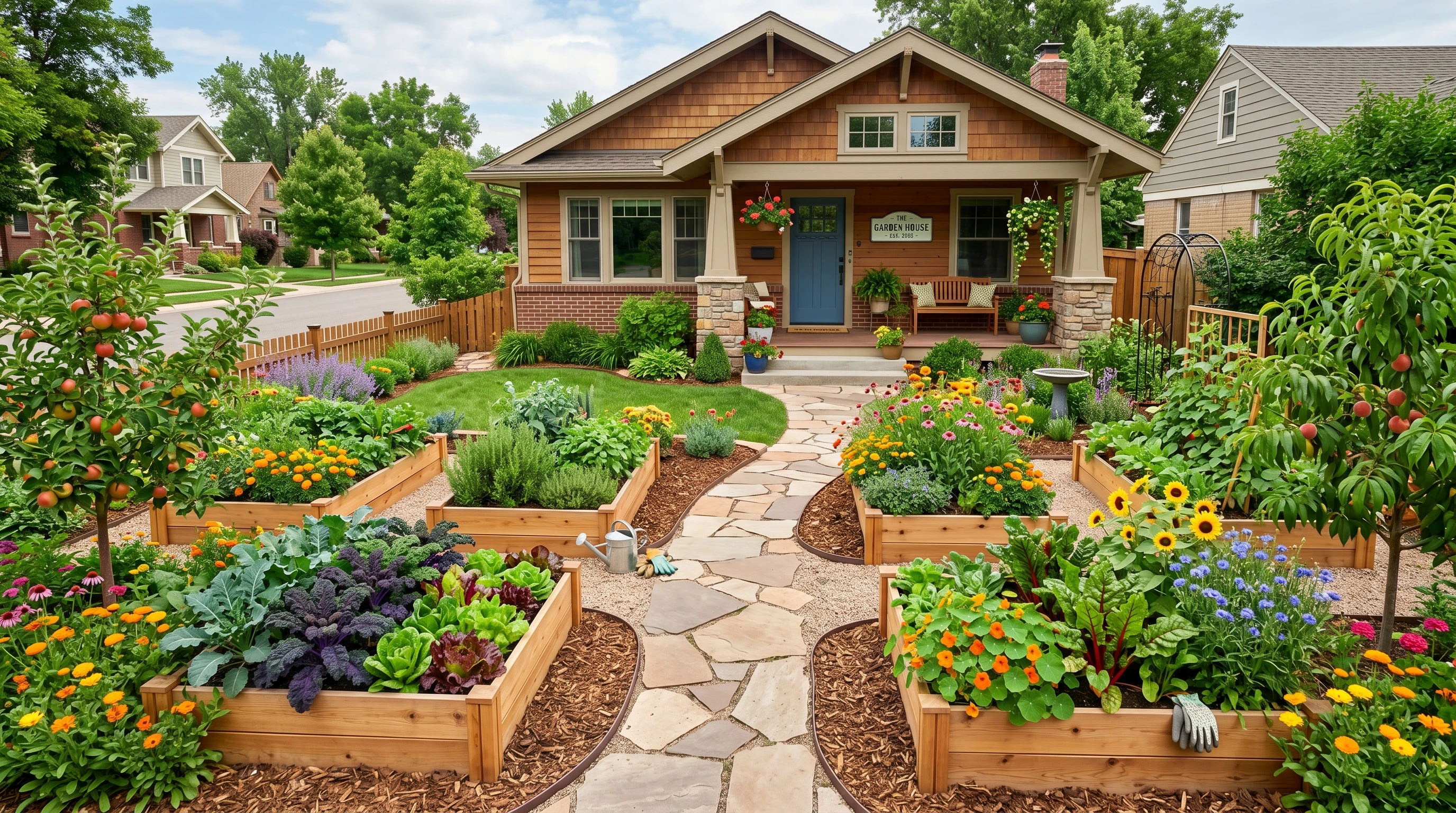
Picture a front yard where your flower beds are full of leafy greens, nasturtiums, and bush beans. Maybe the walkway is lined with chives or vibrant Swiss chard, and there’s a small fig or dwarf apple tree as the central feature. Here’s how you might start building this out:
- Plan and Sketch: Map the sunniest spots for fruiting plants and find shadier areas for lettuces or mint. Most edibles like full sun, so this part is pretty important. Make sure you account for any existing trees or fences that create shade at different times of day.
- Layer: Combine tall fruit trees at the back or in corners, midheight berry bushes or peppers in the middle, and low herbs and greens up front. Grouping this way gives you a garden that stays interesting and maximizes space.
- Add Pollinator Plants: Blend in flowers like nasturtiums, calendula, and borage. These not only brighten the space but attract bees and butterflies to help out with pollination. Many edible flowers can be used right on your dinner plate too!
Starting small, like with a couple of raised beds or a border of lavender and oregano, keeps things manageable. It’s pretty amazing how quickly an edible landscape can grow and change. Over time, you’ll find that even a few tweaks may inspire you to try new plants and arrangements each season, keeping your outdoor space fresh year-round.
Picking the Right Edible Plants for Your Yard
Choosing what to grow depends on your space, soil, and how much time you want to spend gardening. Some plants need lots of care, while others are easygoing and keep looking good year after year.
- Low Maintenance Picks: Herbs like thyme and oregano, perennial greens such as sorrel, and easy to manage fruit bushes like currants. These plants handle a little neglect and often come back stronger each season.
- All Season Interest: Rhubarb and asparagus in spring, tomatoes and cucumbers in summer, kale and Swiss chard into fall. Mixing in plants with varied textures and colors helps keep things lively and bright even when you’re not harvesting.
Heading to local garden centers and checking with your extension office can be a huge help for recommendations that fit your area. If you’re just getting started, track down a few starter books or online guides with advice tailored to your climate. This extra step often saves time and disappointment down the road, since you’ll be planting what’s likely to grow best.
Extra Tips for a Productive and Good-Looking Edible Yard
Getting the most out of edible landscaping isn’t just about picking the right plants. A few simple tricks can make your garden both more beautiful and productive:
- Mulch generously around your plants to lock in moisture and stop weeds. This helps keep the soil cool and cuts down on watering chores.
- Rotate crops in your planting beds every year or two to keep soil healthy and pests guessing. Even small-scale crop switches make a difference.
- Mix in flowers and herbs throughout your edibles so the space never looks bare and always smells nice. Scented herbs like basil and lavender can even deter pests.
- Try a small water feature or bird bath to invite pollinators and helpful wildlife. Even a simple bird bath can draw in bees and butterflies, boosting your harvests naturally.
The fun part about edible landscaping is how customizable it is. You can start as simple or as decorative as you like, and you’ll get the reward of a landscape that’s beautiful, helpful, and tasty all at once. Over time, you’ll find ways to level up your design, maybe by adding a trellis for climbing beans or introducing new berry plants each year.
Share Your Edible Landscaping Fun
Have questions or want to show off your own edible landscape ideas? Add your thoughts and experiences below. Swapping tips and inspiration can help everyone get better results, and your contribution might spark someone else’s next great idea. It’s all about growing together and making the most of the gardening adventure.