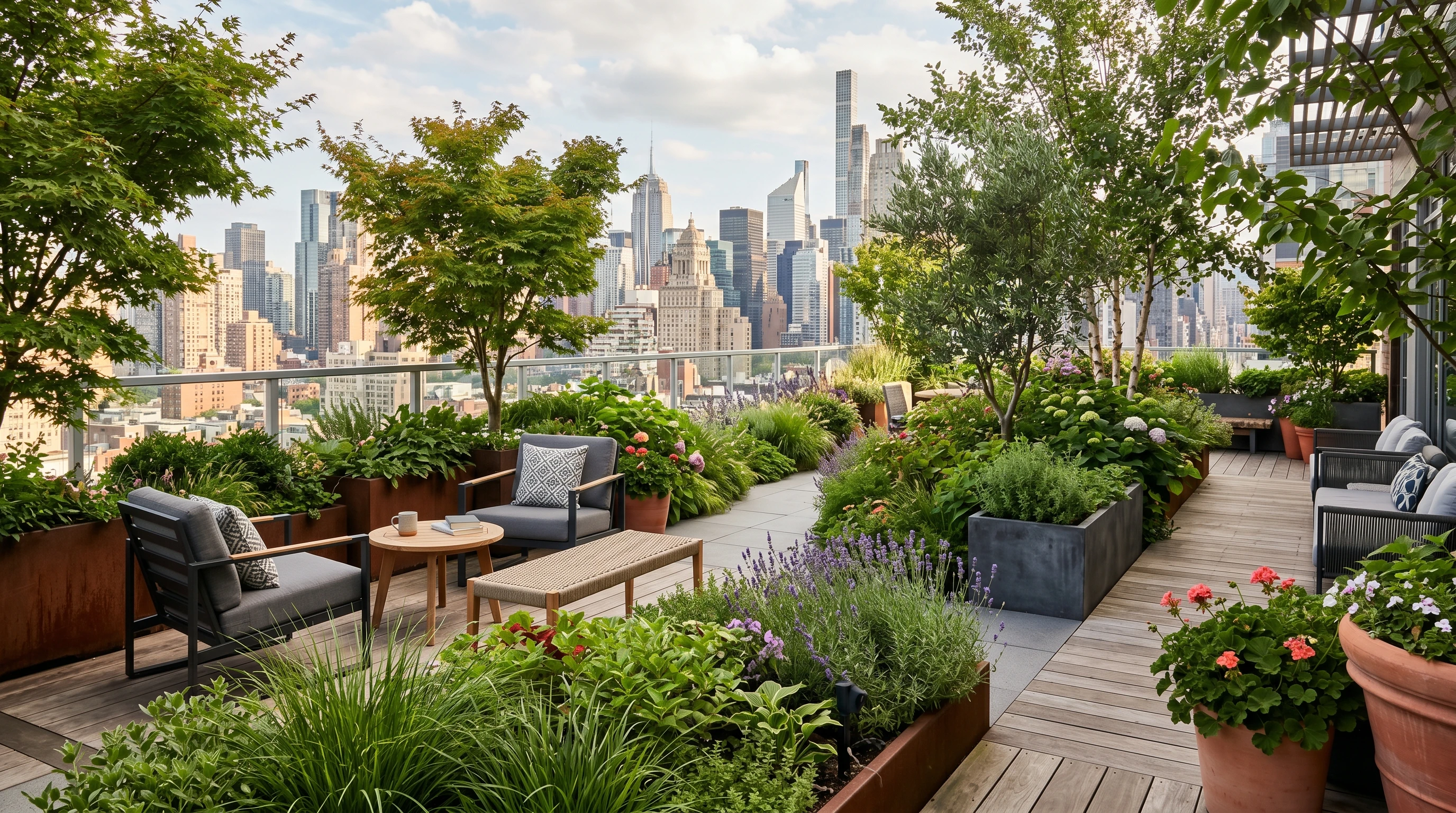
Urban environments can feel a bit crowded and gray, but smart landscaping brings life, color, and relaxation right into the city. Whether you’re trying to upgrade a small balcony, spruce up a townhouse yard, or make the most of a community green space, urban landscaping helps soften hard edges and make outdoor space feel welcoming.
Understanding Space in Urban Landscaping
Landscaping in the city often means dealing with tight spaces, unusual shapes, and a lot of concrete. Maximizing limited square footage takes a bit of creativity. Vertical gardening makes a big difference; using walls, fences, or trellises can turn blank surfaces into spots for climbing plants or hanging planters. Container gardening works wonders for balconies and rooftops, making it easy to move plants around or swap them out when seasons change. Even the smallest spaces can come alive with a bit of care and planning.
- Think Up, Not Out: Add stacked planter boxes, living walls, or tall trees with skinny trunks to create privacy and greenery without gobbling up floor space.
- Multifunctional Areas: Look for ways to combine uses, like benches with built-in planters or pergolas with climbing vines for shade, to give each corner a purpose.
- Hardscaping: Small patios or paver walkways break up grass and soil, adding structure while making areas easy to maintain and durable for foot traffic.
Taking a creative approach to space often unlocks new possibilities, helping transform overlooked spots into welcoming pockets of green.
Choosing Plants for City Life
Urban gardens need tough, adaptable plants that thrive around pollution, compact soil, and heat. Native species usually perform well because they’re used to local weather and need less care. If your space gets lots of sun, herbs like rosemary and lavender add greenery and wonderful scents. Shady corners can spring to life with ferns, hostas, or shadetolerant grasses. Try grouping seasonal plants together so you can swap things out and keep color changing throughout the year.
- Low Maintenance Picks: Evergreens, succulents, and ornamental grasses keep things looking lively yearround and handle the ups and downs of city life.
- Pollinator Favorites: Urban pollinators like bees and butterflies need help, so flowers such as coneflower, salvia, and yarrow are smart additions for both color and supporting local wildlife.
- Edible Options: Veggies like cherry tomatoes or salad greens grow pretty well in containers, making city gardens tasty as well as beautiful. Even strawberries and peppers can thrive on a sunny balcony.
Adding a mix of textures and plant sizes will bring depth to your planting design and keep your garden visually interesting throughout the seasons.
Real World Urban Landscaping Ideas
I’ve seen plenty of eye-catching ways people make city landscaping work. Rooftop gardens transform unused space into green oases, often helping buildings stay cooler in summer. Community gardens bring neighbors together, letting everyone share fresh veggies and herbs. Small yards benefit from dividing space into cozy corners; maybe a section for a grill, a nook with comfy seating, or even a compact water feature for a little zen. Window boxes bring a splash of green to otherwise plain building facades, and vertical trellis screens create privacy without blocking light.
Accessible design is super important, too. Raised beds make gardening easy for people of all abilities, while wide, flat surfaces on patios or decks keep things wheelchair friendly. Even sensory gardens, which include scented plants and textured paths, can make urban landscaping enjoyable for everyone.
Making It Happen on a Budget
You don’t need endless cash or a landscaping crew to get started. Repurposing finds like old crates, pallets, or wheelbarrows gives planters a funky look without much expense. Local plant swaps, community compost resources, and city programs for free mulch or rain barrels help trim costs, too. Watch for city eco-events, which may offer native plant discounts or free resources for beginner gardeners.
- Focus on one small area at a time. Even a handful of new plants in fresh containers can totally change the vibe.
- Group pots or raised beds to create layers of texture and make small spaces feel fuller and more dynamic.
- Add details, like solar lights, stepping stones, or a simple water bowl for birds, to bring personality to your space without much effort or money.
Thrift stores, salvage yards, and online marketplaces are treasure troves for unique containers and accessories. Taking a DIY approach doesn’t just save cash—it puts your personal style front and center.
Get Involved and Grow
If you want to learn more or swap tips, plenty of online forums and local groups share DIY landscaping advice, plant recommendations, and project ideas tailored for urban dwellers. Community events in your area, like neighborhood plant sales or garden tours, are a great way to get involved and stay inspired. Many city libraries also offer free gardening classes or seed exchanges for those looking to get started on a budget.
Small steps really add up. Whether you’re growing herbs on a window ledge or kickstarting a rooftop vegetable garden, personal touches help make the city feel more like home. Sharing what you’ve made or grown helps build community and sparks new ideas among neighbors and friends.
Share Your Experience
I’d love to hear how you’re tackling your own urban landscape projects. Drop a comment with your questions or share a photo of your green space. Your ideas can inspire others and help build a greener city, one yard, balcony, or window box at a time. We all have a role to play in turning the city into a friendlier, greener place for everyone.